| Adventure, ComedyTaken from IMDB: While cruising the South Seas with friends aboard a sailing yacht, it is wagered that Steve can not survive on a desert isle without the accouterments of civilization. After accepting the wager, Steve and his dog swim ashore and begin to recreate their Park Avenue world by way of various Rube Goldberg type contraptions constructed from local materials. Meanwhile, on a nearby island, a young maiden flees her arranged wedding. |
|
 | John Wayne, comedy, Western, pdmoviesThis great comedy western stars John Wayne,Maureen O'Hara,Patrick Wayne, Stefanie Powers,Chill Wills, and Strother Marten. There is a hilarious mudhole fight scene at the end.
|
|
 | horror, mystery, sci-fi, ThrillerAn English anthropologist (Christopher Lee) has discovered a frozen monster in the frozen wastes of Manchuria which he believes may be the Missing Link. He brings the creature back to Europe aboard a trans-Siberian express, but during the trip the monster thaws out and starts to butcher the passengers one by one.
|
|
 | Thriller, horrorAtmospheric 60s B-horror film with a cult following. Mary Henry is enjoying the day by riding around with two friends but everything goes wrong when challenged to a drag race and their car gets forced off of a bridge. The car sinks into the murky depths, and all three women are assumed drowned. Some time later Mary emerges unscathed from the river. She tries to start a new life by becoming a church organist but Mary finds herself haunted by a ghostly figure that instills fear and dread into her. |
|
|
|
|
|
 | Charlie Chaplin, SilentsCharlie Chaplin's 1st Film Released Feb. 02 1914 Making a Living is the first film appearance of Charlie Chaplin, which premiered on February 2, 1914. Chaplin plays a lady-charming swindler, Edgar English, who runs afoul of the Keystone Kops. Chaplin's famed screen persona of "the Little Tramp" did not appear until the film Kid Auto Races at Venice. |
|
|
|
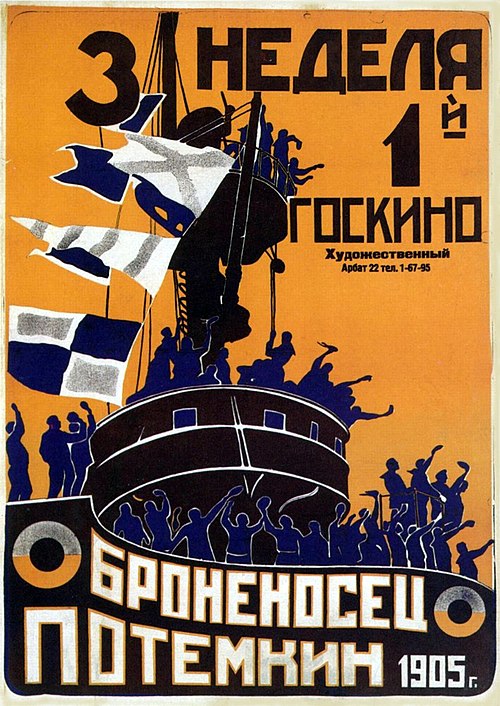 | silent, Drama, History, warConsidered one of the most important films in the history of silent pictures, as well as possibly Eisenstein's greatest work, Battleship Potemkin brought Eisenstein's theories of cinema art to the world in a powerful showcase; his emphasis on montage, his stress of intellectual contact, and his treatment of the mass instead of the individual as the protagonist. The film tells the story of the mutiny on the Russian ship Prince Potemkin during the 1905 uprising.
|
|
|
|